Updated regularly

Latest AI News, Explained Simply

Stay updated on important AI news, tools, product updates, and trends, with simple explanations and practical takeaways.

10 latest articles · 10 in archive · Last updated: May 29, 2026 at 08:36 AM

Ainanza summarizes news at a high level and links to original sources. Always read the original article for full context. We do not republish or copy full articles.

AI News NDTV Profit

Sundar Pichai Says New Careers Will Rise Alongside AI

Google CEO Sundar Pichai spoke on the Hard Fork podcast ahead of a commencement speech at Stanford, addressing widespread anxiety about AI replacing workers. He said today's graduates are entering a workforce that is changing fast because of automation, but argued that new kinds of jobs will appear as AI tools become more capable. His message was broadly reassuring, framing the shift as something the next generation is already adapting to.

Ainanza take: Pichai's view is that the disruption is real but not catastrophic. If you are thinking about where your career fits in an AI-driven world, his perspective is worth a read as a grounded counterpoint to the doom headlines.
Read original
AI News Firstpost

Sam Altman Admits He Overestimated How Fast AI Would Take Jobs

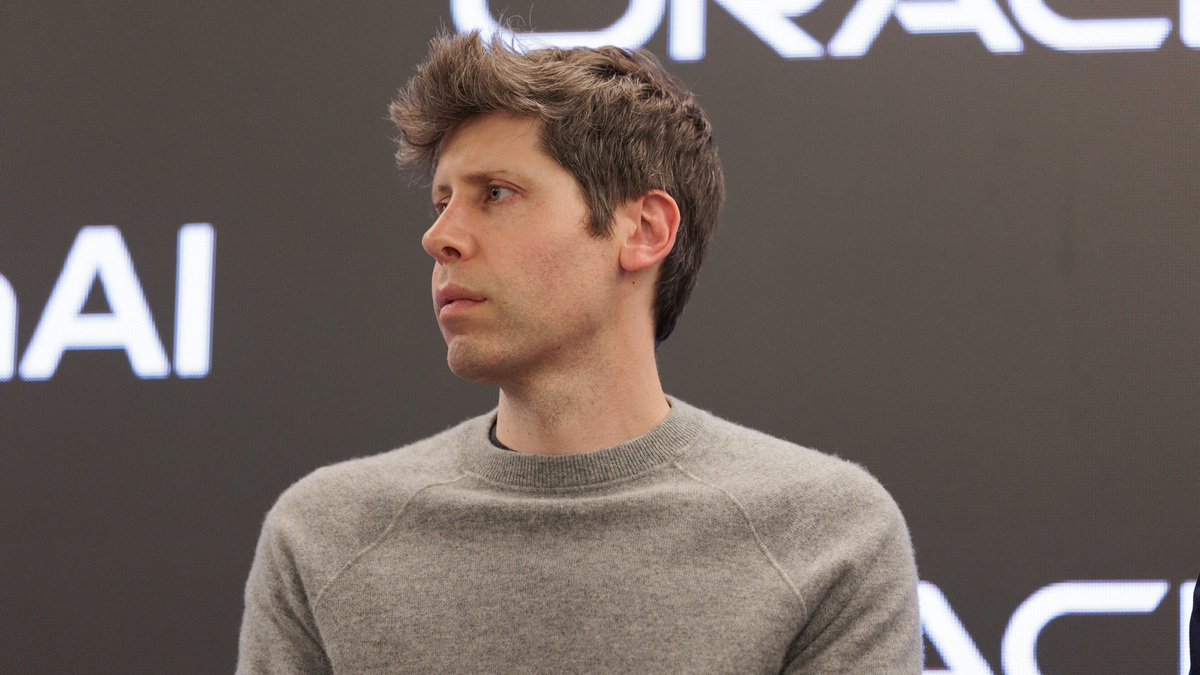
OpenAI CEO Sam Altman told an audience in Australia that white-collar jobs have not disappeared nearly as quickly as he once feared, and that his earlier predictions may have been too dramatic. He acknowledged that AI has not yet caused the wave of mass unemployment many people expected, even as companies continue to use automation to reduce some roles. The comments are notable given how often Altman has been cited as a key voice warning about AI's impact on work.

Ainanza take: This is a useful reality check from someone at the center of AI development. If you have been anxious about near-term job losses, Altman's revised view is worth factoring into your thinking.
Read original
AI News Natural News

Alibaba Releases a New AI Model Built for Long, Autonomous Multi-Step Tasks

Alibaba Cloud's Qwen team has released Qwen3.7-Max, a large language model designed to handle complex tasks over extended periods without needing human input along the way. The model is aimed at coding, document automation, and workflows that require sustained, multi-hour execution, representing a significant shift from AI that answers questions to AI that completes projects on its own. The release positions it as a direct competitor for businesses looking to automate involved, multi-step work.

Ainanza take: Autonomous AI agents are becoming meaningfully more capable. If you use AI tools in your work, models like this are worth testing to see how well they handle real tasks that require multiple steps and sustained focus.
Read original
AI News TechBullion

Why Stopping Modern Bank Fraud Requires Both AI Speed and Human Judgment

Financial fraud is evolving rapidly, with criminals increasingly using AI to get around traditional security systems, and banks are under pressure to rethink how they protect customers. Fraud prevention specialist Vittesh Sahni told TechBullion that automation alone cannot keep up with sophisticated attacks, and that the strongest defenses pair AI processing speed with human context and experienced judgment. He argues that organizations treating AI as a partner rather than a full replacement will be better positioned against threats that adapt quickly.

Ainanza take: The principle here extends beyond banking. Any high-stakes process that relies on AI benefits from building human review into the workflow itself, not just adding it as a last resort when something goes wrong.
Read original
AI News Times of India

Most Indian Graduates Think AI Will Make the Job Market Harder to Navigate

A recent survey found that 74 percent of Indian college graduates are worried AI and automation will make it more difficult to find and keep good jobs. Despite those concerns, most still felt personally confident about their own career paths, with finance standing out as a popular choice for its perceived stability. The gap between broad anxiety and individual optimism captures how uncertain the current job market feels for people entering it right now.

Ainanza take: Whether you are hiring, job searching, or advising someone early in their career, this data is a practical look at where anxiety is highest and which fields people see as safer bets right now.
Read original
AI News Times of India

Pope Leo XIV Warns That Mass AI Job Losses Could Destabilize Societies

In his first official encyclical, Pope Leo XIV addressed the rapid rise of artificial intelligence, warning that widespread job displacement caused by automation could create serious social harm and undermine human dignity on a large scale. He called on governments and businesses to be deliberate about how AI is deployed and to put human welfare at the center of those decisions. The document marks one of the most prominent statements from a religious leader on the ethics of automation.

Ainanza take: When the leader of the Catholic Church dedicates his first major document to AI risks, it signals that the debate about automation and human welfare has moved well beyond the tech industry and into the mainstream.
Read original
AI News The Guardian

Companies Are Rebranding Basic Software as AI to Appear More Innovative

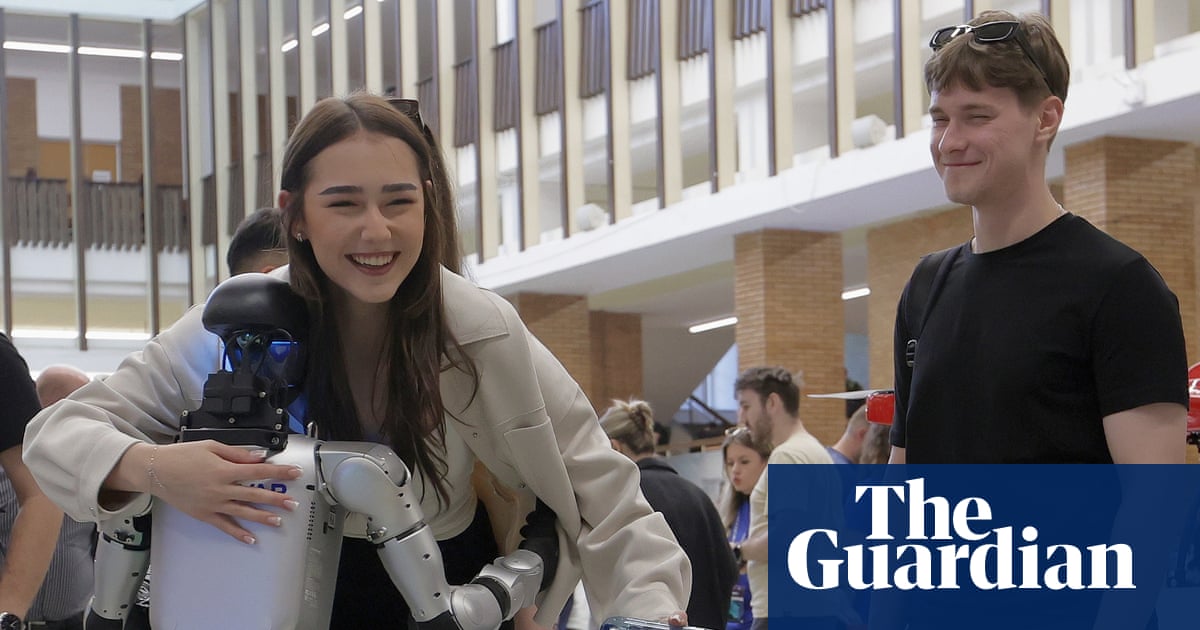
PR professionals in the UK say their clients are pressuring them to describe ordinary automation and data tools as artificial intelligence in order to attract investment and look competitive. The practice, often called AI washing, is spreading as companies fear being left behind in the AI race even when their actual products have little connection to modern AI systems. Critics argue it misleads investors and makes it harder for buyers to tell genuine AI capabilities apart from marketing.

Ainanza take: If you evaluate AI tools or vendors for your business, this is a good reminder to ask exactly what the product actually does rather than taking the label at face value. Real AI capabilities and rebranded automation are very different things.
Read original
AI News The Economic Times

ClickUp Cuts a Fifth of Its Staff as It Pivots Hard Toward AI Operations

Project management software company ClickUp has laid off 22 percent of its workforce as part of a strategic shift toward running more of its operations through AI tools. CEO Zeb Evans described the move as a path to dramatically higher output per employee and suggested that workers who learn to work well with AI could qualify for significantly higher pay. The layoffs are part of a broader pattern playing out across the tech industry as companies restructure around AI capabilities.

Ainanza take: This is a concrete example of how AI adoption is reshaping company headcounts right now, not in some future scenario. If you work in tech or rely on productivity software, changes like this will affect the tools and support you can expect going forward.
Read original
AI News The Economic Times

Younger Workers Are Raising the Bar for What They Expect From an AI-Powered Workplace

As AI and automation become standard parts of daily work, the expectations of younger employees are shifting in noticeable ways. Research suggests this generation is prioritizing roles that offer genuine growth, meaningful work, and flexibility, partly because they expect repetitive tasks to be handled by machines rather than people. Organizations that want to attract and keep younger talent will need to think seriously about what engaging, human-centered work actually looks like when AI is handling a growing share of routine tasks.

Ainanza take: If you manage a team or run a business, what younger workers value right now is practical information. The norms around work are shifting faster than most companies are adapting, and understanding the gap is the first step to closing it.
Read original
AI News The Economic Times

A Street Vendor in Bengaluru Is Earning a Tech Salary by Collecting Data for AI

A video from Bengaluru went viral after showing a vegetable seller wearing an iPhone mounted on his head, apparently recording real-world footage to be used in AI training datasets. Reports suggest he is earning a salary comparable to entry-level tech roles, which sparked a lively online debate about the surprising new kinds of jobs the AI industry is creating. The story highlights how the massive need for real-world data to train AI systems is reaching into unexpected corners of everyday life.

Ainanza take: The economic effects of AI are messier and more varied than simple jobs-lost or jobs-created stories suggest. This is a good example of how demand for AI training data is creating real income opportunities in places most people would not expect.
Read original